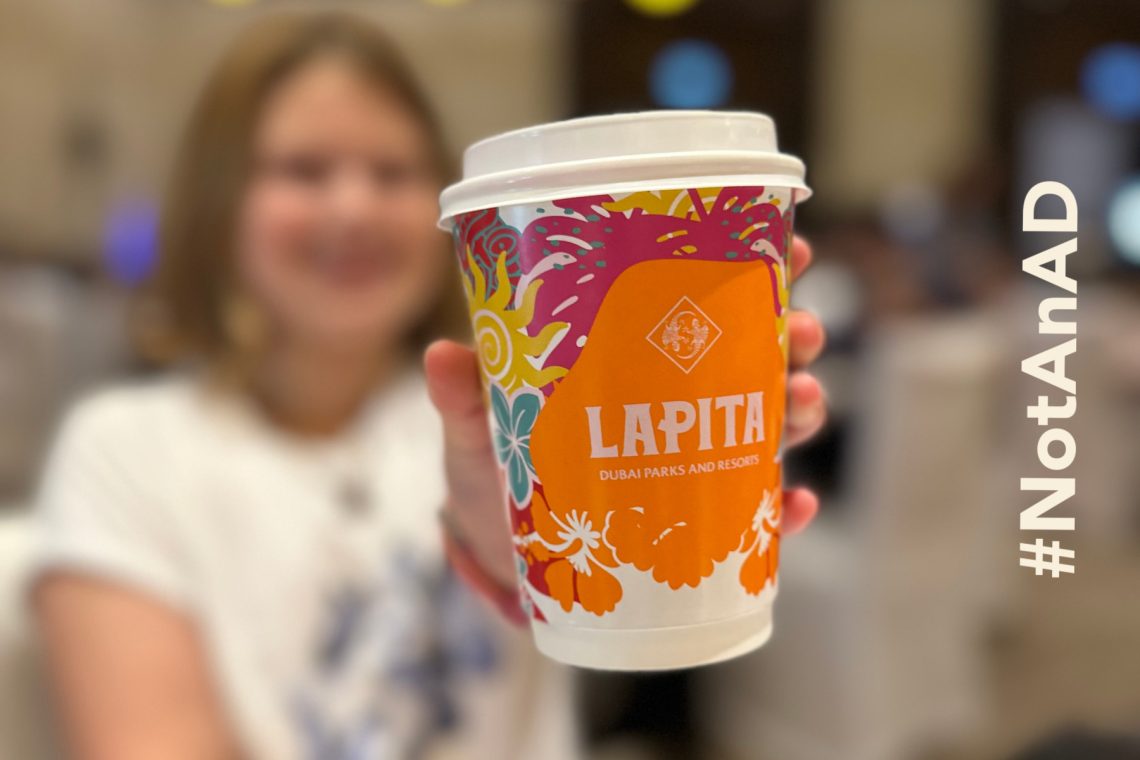
Let’s be honest: ad disclosure on social media
Can we talk about honesty on social media? And I don’t mean absurd AI generated photos accompanied by machine written captions. That’s a different topic. What really winds me up is fakery and deliberately flaunting the rules around ad disclosure on social media.
This week, someone dropped into my Instagram DMs pretending to work for a destination’s PR team, asking for my rates and terms for collaborations. It didn’t come from the well known brand’s Instagram account, which seemed strange, so I looked into it a bit more. It turns out it was a student working on a Masters project. If she had been upfront I would have helped her out. As she’d been false, I alerted the real PR team and blocked her.
In the same 24 hours another account with tens of thousands of followers tried to get me to share a poorly disclosed advert with my audience.
Burying ad disclosures at the end of captions, in hashtags or not declaring brand relationships at all is a real bugbear of mine.
Why disclosing advertising matters
When I set up my first blog and social media accounts I understood I had a responsibility for what I shared online. A lot of that comes down to my journalism training – thanks NCTJ.
But it’s not just about being honest. It is a legal requirement, monitored by the Advertising Standards Agency (ASA) and Competitions and Markets Authority (CMA).
Ad rules for bloggers and influencers – the quick version
You can read the full rules on the CMA website, but the quick version is that bloggers and influencers must clearly and prominently label paid or unpaid (gifted) brand partnerships as ‘advertising’.
However, now everyone can be a publisher, the internet feels like the Wild West where you’re never sure what you’re seeing is authentic content or a coordinated advert.
I suspect there are plenty of influencers who are oblivious to the rules. Meanwhile there are many who deliberately choose not to disclose or try their best to hide their relationship with brands to avoid having their content throttled by Meta and other social media giants who would prefer marketing budgets to be spent with them.
Either way, the ASA obviously can’t keep up. Its current ‘shame list’ of influencers in breach of its advertising disclosure code has just three celebrities on it.
The deterrent is pitiful.
The solution
So, if you care about honesty on social media, what can you do?
As an individual, I unfollow and, in extreme circumstances, block accounts that I spot being dishonest about their content.
As a content creator/blogger, I disclose brand partnerships where there has been an exchange of money, services or goods for advertising.
What about businesses? I’m pretty sure most have trustworthiness written into their brand values, so they must make honesty explicit in their influencer relations agreements. Being associated with dishonest content is a reputation risk.
What do you think? Do you feel duped when you spot an undisclosed or poorly disclosed advert on social media?

Claire Hall
Claire is a PR and digital marketing pro with 20 years experience in the media and communications industry. As well as helping companies boost their online presence, she is an award-winning travel blogger who writes about adventures in the UK, Europe and beyond. Her websites include Tin Box Traveller, Devon with Kids and Oman Wanderlust


You May Also Like
Why work with influencers: a guide for travel brands
Do brands have a duty of care to influencers?