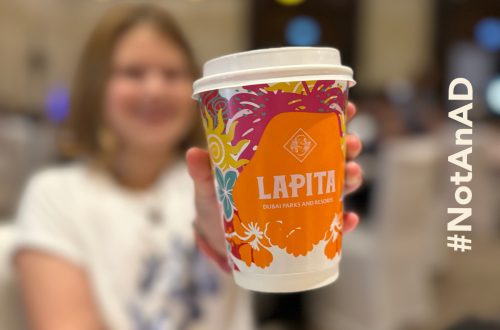
Influencers, gifted experiences and tax: the true cost of HMRC rules
Dear PR people, I’m NOT open to unpaid press trips and gifted opportunities. Here’s why…as a content creator I can’t afford to pay tax on gifted experiences.
This argument originally appeared on my LinkedIn and went viral resulting in coverage in the Roxhill Media newsletter and Press Gazette. Friends in the industry also messaged to say my post was a hot topic in forums for members of the Guild of Travel Writers, the National Union of Journalists and ABTA.
The tax issue for influencers
So, what was the fuss about? The short version is that HMRC made the value of non-monetary gifts – the kind of thing brands give influencers and bloggers in exchange for content – taxable. The result is that content creators must pay HMRC to provide advertising for businesses.
Content creation in exchange for gifts: the new order
I’ve been incredibly lucky to go on some amazing press trips in the past: France, Italy, Spain and even a couple of cruises. I’ve written about them all on my travel blog and social media, reaching tens of thousands of potential customers, as agreed with the brands who invited me.
But HMRC says those trips – even though I couldn’t resell them – would now be classed as taxable income. The same applies to the market value of gifted experiences like tickets to a show, a meal or hotel stay when content is expected in return.
Expectations can range from ‘please share this experience with your followers’ to ‘during your trip we require daily Instagram posts, 70 Stories using our hashtags and key messages, and perpetual rights to all your images’. The existence of a brief – whether it is vague or detailed – means the content creator is carrying out taxable work.
The argument for fair compensation for content becomes even more compelling. Doing it for free and paying tax for the privilege is not a sustainable business model.
What this means for brands
The landscape of content creation is diverse. People who would usually find barriers to getting into traditional publishing can now own or manage their own platform. This is a boon for brands who want to reach those niche followings.
But if more barriers are built, particularly financial ones, the landscape becomes homogeneous, leaving those that can afford to absorb tax on the value of a press trip, while those who can’t melt away. There’s no prizes for guessing this will include under-represented groups and women.
So, if you work with content creators you need to:
- make them aware of the market value of the physical product or non-physical service you are offering them in exchange for content. They must declare this as income.
- offer a fee alongside physical and non-physical gifts
- or be prepared to offer a genuine, no strings attached gift. If you don’t ask for anything in return, the tax rule does not apply.
The content industry is moving fast. If you work in PR or marketing it’s your responsibility to keep up with much more than the latest algorithms and trends. If content creators are an important part of your communications strategy, recognise their value and adapt your approach.
This is as important to honest and fair influencer relations as adhering to the Advertising Standards Agency’s guidance on making it clear that ads are ads.

Claire Hall
Claire is a PR and digital marketing pro with 20 years experience in the media and communications industry. As well as helping companies boost their online presence, she is an award-winning travel blogger who writes about adventures in the UK, Europe and beyond. Her websites include Tin Box Traveller, Devon with Kids and Oman Wanderlust


You May Also Like

Why work with influencers: a guide for travel brands

5 marketing ideas small businesses can steal from bloggers